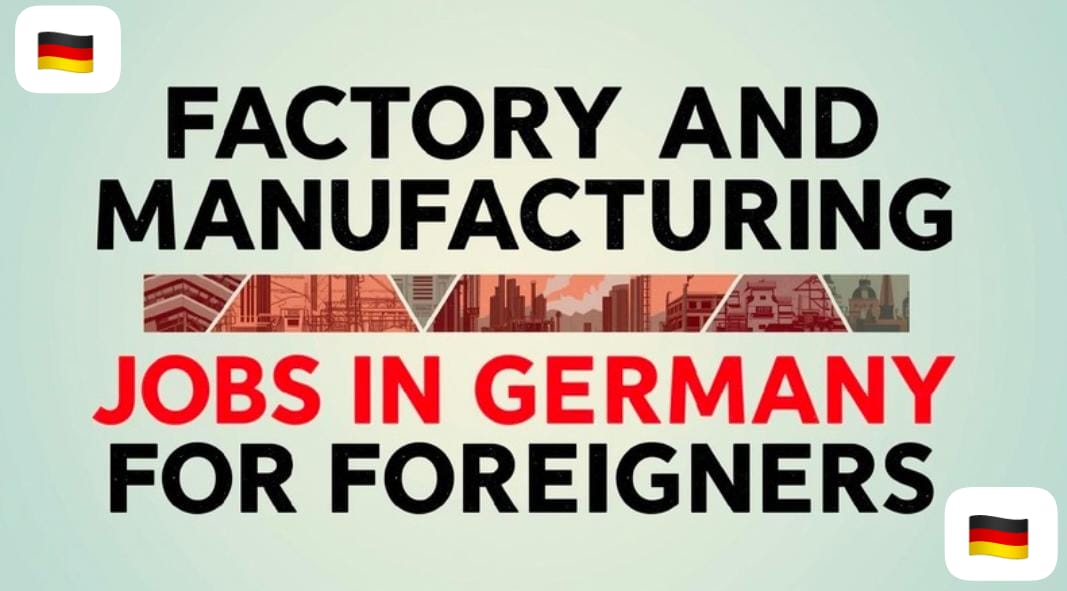
Factory and Manufacturing Jobs in Germany for Foreigners
Germany’s industrial sector is a beacon of advanced factories and global brands. It attracts workers seeking stability, top-tier equipment, and well-organized processes. Indian professionals are particularly drawn to these roles, valuing the emphasis on technical skills and career advancement.
The sector offers a range of positions, from assembly to product checks. Modern facilities in cities like Munich and Berlin focus on precision and innovation. These opportunities are open to individuals eager to join a structured workforce known for its efficiency.

Key Takeaways
- Germany ranks high in advanced manufacturing.
- Foreign workers often enjoy dependable job prospects.
- Indian applicants find diverse roles in major cities.
- Global brands value strong technical expertise.
- Integration comes with a clear path to professional growth.
Overview of the Manufacturing Industry in Germany
Germany’s production sector is a global leader in advanced engineering and product innovation. It attracts investors with its focus on sustained research and development. This opens up opportunities for both skilled and semi-skilled workers. The automotive, chemical, and machinery industries are the backbone of this robust market, thanks to their cutting-edge processes.

Digital tools and automation are transforming factories, boosting output and quality. This trend also creates more job opportunities. The government’s support for Industry 4.0 innovation solidifies Germany’s reputation as a prime destination for talented individuals.
Growth Trends
Data-driven workflows are key to optimizing production lines and adapting to global demand shifts. This focus drives economic momentum, paving the way for ongoing growth and evolving employment needs.
Major Manufacturing Regions
Baden-Württemberg is renowned for automotive engineering, while Bavaria leads in machinery and electronics. North Rhine-Westphalia excels in chemical processes. Each region benefits from a comprehensive supply chain, enhancing efficiency and keeping the country competitive.
| Region | Core Focus |
|---|---|
| Baden-Württemberg | Automotive and high-tech components |
| Bavaria | Machinery and electronics |
| North Rhine-Westphalia | Chemical processing and heavy industries |
Why Germany Is an Attractive Destination for Indian Job Seekers
Germany stands out as a prime destination for those seeking stable careers. It offers a supportive business environment, backed by a strong economy and a culture that cherishes hard work. Renowned companies like Bosch and Siemens provide opportunities that resonate with India’s growing talent pool.
The quality of life in Germany is another significant draw. It boasts excellent public services, healthcare, and efficient transportation, creating a well-organized setting. Many Indian job seekers find this environment easy to adapt to. Communities thrive around major industrial centers, fostering both professional and personal development. The promise of long-term residency and social benefits further solidifies the appeal, encouraging individuals to settle and excel in their careers.

Embracing a strong work ethic is key to success in Germany’s workplaces. This focus on detail aligns with German standards, paving the way for sustained growth and achievement.
Factory and Manufacturing Jobs in Germany for Foreigners
Many production sites employ international staff, bringing fresh perspectives and specialized skills. Indian applicants often find that local recruiters value technical know-how and a commitment to teamwork. Safety procedures are crucial in these settings, ensuring smooth operations through regular checks.
High-Demand Positions
Warehouse workers and assembly line technicians are at the heart of many plants. CNC operators and forklift operators are particularly sought after, especially in factories that prioritize precision. Some roles require technical training or prior experience to meet quality standards.
Part-Time and Full-Time Opportunities
Shifts vary across different facilities. Some companies offer flexible schedules, ideal for students or those seeking additional income. Seasonal peaks lead to part-time openings, while full-time roles are available for those committed to consistency and growth.
| Position | Key Requirements |
|---|---|
| Assembly Line Technician | Mechanical aptitude, focus on precision |
| CNC Machine Operator | Technical training, attention to safety |
| Forklift Operator | Valid license, strong sense of responsibility |
Key Requirements and Qualifications
In Germany, employers look for candidates with a strong educational foundation. A diploma in engineering or vocational training is highly valued for roles in factories or manufacturing. Proficiency in operating production equipment is crucial, and safety certifications are a must. These certifications show a commitment to adhering to strict protocols, enhancing daily operations.
Reliability and meticulousness are essential. Job seekers from India should highlight their focus on productivity and quality control. Companies like Siemens and Bosch might demand specialized skills. However, a willingness to learn opens doors to new possibilities. Managers seek team members who can quickly adapt and maintain high standards.
- Technical Diploma or Engineering Degree
- Safety and First Aid Certification
- Hands-on Production Experience
| Qualification | Advantage |
|---|---|
| Vocational Training | Helps master factory systems efficiently |
| Domain-Specific Knowledge | Boosts consistency and workflow success |
Typical Responsibilities in German Factories
German factories emphasize teamwork and clear instructions. Employees tackle diverse tasks to meet production goals. Roles include operating machines, managing materials, and collaborating with colleagues to hit deadlines.
Production Line Duties
Production line tasks involve assembling parts and ensuring machines operate efficiently. Workers lift materials, align components, and execute repetitive tasks with precision. They also track inventory and direct products to the right stations.
Quality Control Tasks
Quality control focuses on identifying defects and upholding high standards. Teams inspect items, measure components, and compare them to strict guidelines. This diligence enhances product quality and maintains Germany’s manufacturing reputation.
Employees sometimes switch roles for broader experience. An organized mindset is crucial for adhering to safety rules and achieving efficiency targets.
| Responsibility | Objective | Key Skill |
|---|---|---|
| Machine Operation | Maintain consistent output | Technical Know-How |
| Assembly Work | Build finished products | Manual Dexterity |
| Inspection | Check for errors | Attention to Detail |
Navigating Language Requirements
In Germany, some factories use English for everyday talks. Yet, knowing German can significantly enhance your performance on the production floor. Many tasks require understanding safety protocols, technical guidelines, and direct communication with local teams. Reading manuals in German and conversing with colleagues in their native tongue can foster better collaboration.
Conversational skills demonstrate your ability to adapt, which is highly valued by employers. Such skills can improve your job prospects and simplify official tasks, like signing contracts or handling administrative duties. Institutions like the Goethe-Institut provide courses to accelerate your learning. Committing time to practice is crucial.
- Practice with online language apps
- Join local conversation groups
- Watch German news or shows
Being receptive to new phrases and cultural nuances can expedite your progress. Every effort you make adds value to your profile.
Visa and Work Permit Essentials for Indian Applicants
Many job seekers from India are drawn to Germany for its robust factory careers. Understanding the work visa options is crucial before starting the journey. Some may qualify for an EU Blue Card, designed for professionals with specialized skills. Others might opt for a general work permit for roles in production or assembly lines. It’s wise to regularly check official portals for updates on regulations.
Being accurate and organized is key to a smooth process. Your application needs academic credentials, professional licenses, and a valid employment contract. Showing financial stability through bank statements or savings is also essential. Focusing on precise documentation helps avoid delays and keeps your path to Germany clear.
Types of Work Visas
- EU Blue Card for specialized candidates holding recognized degrees
- General Work Visa for individuals with valid contracts in manufacturing
Tips for a Smooth Application
Start by collecting all necessary documents early and check the dates on transcripts. Make sure each form is signed where necessary. Staying informed about new rules and consulting reliable sources can expedite approval. This strategy boosts your confidence as you enter Germany’s dynamic industrial sector.
How to Adapt to the German Work Culture
Working in Germany can be thrilling for Indian professionals looking for a structured environment. Many workplaces emphasize punctuality in meetings and daily tasks. Clear documentation and defined roles help people grasp expectations. Feedback and consistent output are key.
Punctuality and Professionalism
Arriving on time shows respect for colleagues and supervisors. Every shift, break, and appointment has a set schedule. This approach builds trust and showcases a strong work ethic.
Professionalism requires attention to detail and respect for hierarchical structures. Most teams value methodical processes that ensure smooth production lines.
Embracing Cultural Norms
Open dialogue and active listening are crucial for smoother adaptation. Companies like Siemens and Bosch expect clear communication. Using courteous language with team members leaves a positive impression.
Observing local customs and absorbing cultural nuances aids faster integration. An open-minded approach can significantly boost career progression.
Top Industries Offering Manufacturing Roles
Germany’s automotive sector is a powerhouse, with giants like BMW and Volkswagen leading the way. These companies frequently seek out skilled technicians, assembly experts, and engineers. They are ready to handle the latest technological challenges. Siemens and Bosch, leaders in industrial machinery, also have a constant need for professionals. They support the operation of advanced production lines, offering stable, well-compensated positions.
The electronics, chemicals, and pharmaceuticals sectors are also pivotal in Germany’s manufacturing landscape. These fields command global respect, attracting many Indian professionals. They offer specialized training programs and state-of-the-art facilities. Newcomers can expect competitive salaries and structured career paths, reflecting the high standards of these industries.
Salary Expectations and Employee Benefits
Jobs in German factories usually follow pay scales set by labor agreements. Those with specialized skills or a lot of experience can often negotiate better. It’s smart to research typical earnings for your role before meeting with a potential employer.
When discussing salary, performance-based rewards might come into play. It’s beneficial to talk about your past achievements and future career goals. Make sure you understand your role’s responsibilities, including any oversight or quality control tasks.
Negotiating Wages
Pay can vary based on your skills and experience. Showcasing your past successes can lead to higher offers. Mentioning your certifications or specialized training early in the interview can justify your expected salary range.
Common Perks and Bonuses
A standard package includes paid holidays, health care, and pension support. Some employers offer holiday money, end-of-year bonuses, or extra vacation days. It’s important to clarify these benefits from the start to avoid misunderstandings later.
Where to Find Job Openings and Networking Opportunities
Finding factory and manufacturing jobs in Germany starts with reliable information and direct employer contact. Several channels help discover vacancies, gain insights, and expand your professional network.
Online Platforms
Platforms like LinkedIn, StepStone, and Indeed list various job openings, including those for Indian candidates. Employers detail job specifics, such as location, language needs, and required skills. Regularly checking these sites keeps you informed about new opportunities.
Local Job Fairs
Cities like Berlin, Munich, and Frankfurt host job fairs where companies showcase their factory operations. Talking directly with hiring managers can open doors to immediate or future job opportunities. These events provide a firsthand look at local work environments.
Professional Associations
Associations for automotive, electronics, and other sectors offer learning and collaboration opportunities. They host conferences, seminars, and networking events. These help members share ideas and find unadvertised job openings. Building relationships with industry professionals can lead to valuable referrals.
Conclusion
Germany’s manufacturing sector continues to thrive, attracting professionals from abroad, including India. These individuals bring crucial skills and dedication, which German companies value highly. To succeed, one must have the right qualifications, be proficient in German, and understand the local culture.
Securing a visa and work permit is the first step towards a successful career in Germany. Meeting the necessary requirements boosts one’s confidence in finding a job that fits their skills. With careful planning, finding stable employment in sectors with advanced technology becomes more likely. Employers look for candidates who are ready to work collaboratively and grow within the company.
Once in the workforce, professionals can find fulfillment by adhering to German work standards and aiming for career advancement. Utilizing the resources mentioned can make the transition smoother and connect job seekers with valuable networks. By following these steps, one can achieve significant career growth in Europe’s most technologically advanced market.